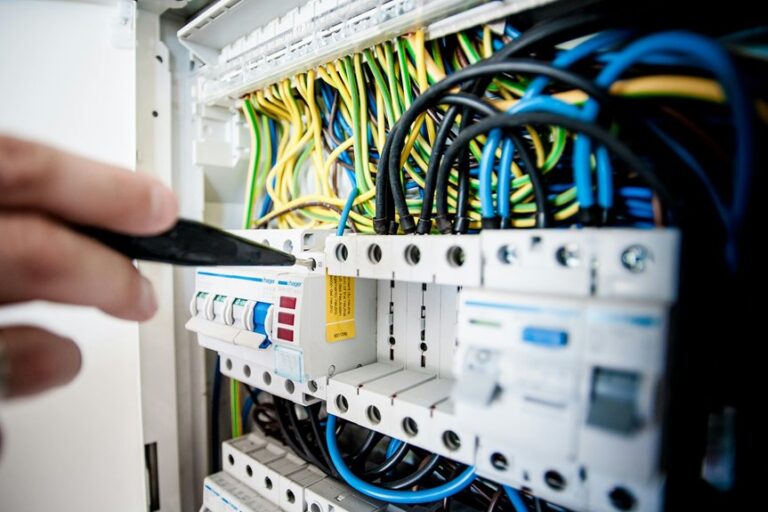
The system monitoring records for identifiers 486201731, 8882943428, 613719582, 932401904, 4108875912, and 697229740 provide essential insights into the IT infrastructure’s performance and health. These records encompass critical performance metrics and highlight any anomalies present. Understanding these elements is vital for maintaining system integrity and optimizing resource utilization. However, the implications of these findings extend beyond basic performance analysis, raising questions about potential risks and management strategies.
Overview of System Monitoring Records
System monitoring records serve as critical documentation that captures the performance and status of various components within an IT infrastructure.
These records provide insights into system health, enabling administrators to identify anomalies and ensure optimal operation.
Utilizing advanced monitoring tools, organizations can proactively manage resources, maintain uptime, and mitigate risks, ultimately supporting a more resilient and efficient IT environment conducive to freedom and innovation.
Performance Metrics Analysis
While monitoring records provide essential data, performance metrics analysis delves deeper into understanding system efficiency and effectiveness.
This process involves evaluating performance benchmarks against established standards, allowing for a nuanced assessment of resource utilization.
Anomalies and Issues Identified
Analyzing performance metrics can reveal not only efficiency but also anomalies and issues that may compromise system integrity.
Instances of anomaly detection highlighted irregular patterns, indicating potential failures or security breaches. Effective issue resolution strategies were necessary to address these discrepancies promptly.
Ignoring such anomalies could lead to system vulnerabilities, emphasizing the importance of continuous monitoring and proactive management in maintaining operational stability.
Best Practices for Effective Monitoring
Effective monitoring requires a comprehensive approach to ensure system reliability and performance.
Implementing real-time alerts allows for swift identification of issues, enabling prompt responses.
Additionally, utilizing data visualization techniques facilitates the interpretation of complex data sets, aiding in informed decision-making.
Prioritizing these best practices fosters an environment of proactive management, ensuring systems operate efficiently while minimizing potential disruptions to user freedom and autonomy.
Conclusion
In conclusion, the system monitoring records for identifiers 486201731, 8882943428, 613719582, 932401904, 4108875912, and 697229740 reveal a striking correlation between performance metrics and identified anomalies. This coincidence underscores the importance of continuous oversight in IT infrastructure management. By embracing the insights gained from these records, organizations can enhance their resilience, optimize resource use, and avert potential system failures, ultimately fortifying their operational integrity against unforeseen challenges.